





Bones, Seeds, and Slag: How Archaeologists Reconstruct Hillfort Life
Methods | September 25, 2026
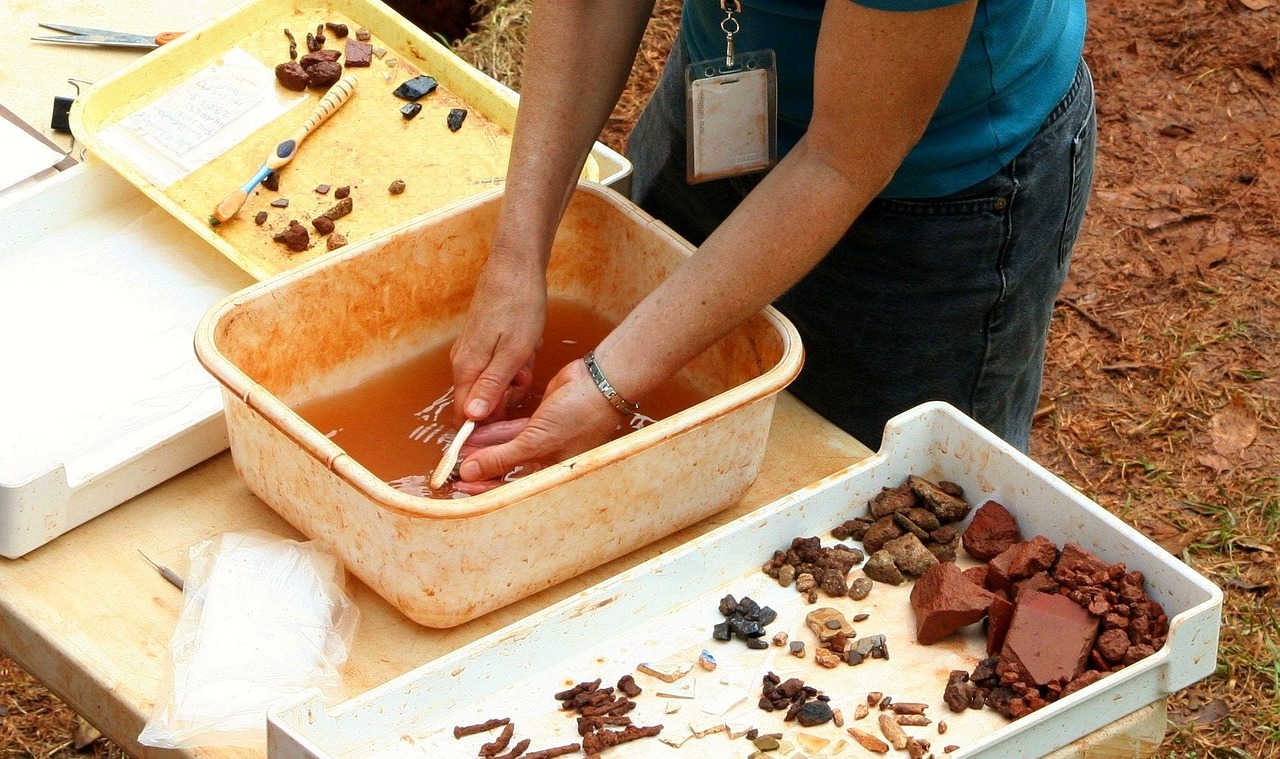
Ask most people how archaeologists study hillforts and they will describe digging. Excavation is certainly central, but the real work often happens afterwards, in laboratories, where soil samples, bones, and tiny fragments are analysed in ways that would have astonished early twentieth-century excavators. The results have transformed our picture of Iron Age life.
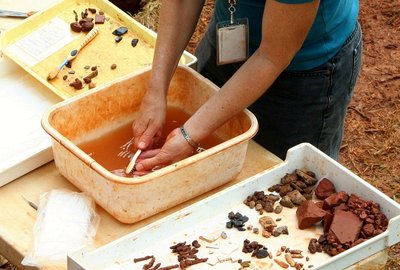
One of the simplest and most powerful techniques is flotation. Soil from a excavated context is stirred into water; charred plant remains float to the surface while heavier material sinks. The floating fraction is skimmed off, dried, and examined under a microscope. From a single sample, an archaeologist might identify barley, wheat, oats, weed seeds, and fragments of hazelnut shell. Multiply that across dozens of samples and you can reconstruct what people grew, what they ate, and even what time of year a pit was filled.
What Animal Bones Reveal
Animal bone survives well in the chalky soils of many hillforts, and the information it carries is remarkable. Sheep, cattle, and pig dominate most assemblages, but the proportions vary from site to site and over time. Age at slaughter tells us whether herds were kept for meat, milk, or traction. Butchery marks show how carcasses were divided and shared. Cut marks on bones can even reveal whether meat was boiled or roasted, and gnaw marks from dogs remind us that settlement rubbish was never left alone for long.
Isotope analysis adds another dimension. The chemical signature of strontium and oxygen in tooth enamel reflects the geology and water of the place where an animal — or person — grew up. This means we can identify individuals who moved between regions, sometimes over long distances. At some hillforts, a surprising proportion of people turn out to be non-local, hinting at marriage networks, migration, or the movement of foster children and hostages.
Metals, Slag, and Craft
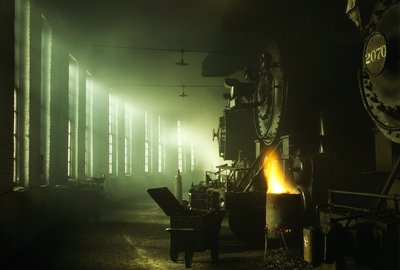
Ironworking leaves distinctive traces. Slag — the waste product of smelting and smithing — is heavy, dark, and often magnetic. Its composition can indicate the type of ore used and the temperature of the furnace. Hammerscale, tiny flakes of iron oxide that fly off during forging, accumulates around anvils and can pinpoint exactly where a smith worked. Even corroded metal objects yield information through X-radiography and conservation, revealing decoration invisible to the naked eye.
Pottery, too, repays close study. Petrographic analysis of clay and temper can identify where a pot was made, while residue analysis of absorbed fats can show what it once contained — milk, meat, or plant oils. Together, these techniques allow archaeologists to trace trade, exchange, and craft specialisation without a single written record.
The picture that emerges is far richer than the old stereotype of isolated, mud-covered tribes. Iron Age communities were connected, skilled, and mobile. They managed landscapes, traded goods, and buried their dead with care. Every new sample adds a line to the story, and the smallest fragment can sometimes rewrite it entirely.


Hillfort Herald

Hillforts were the monumental centres of their age, but the majority of Iron Age people lived in unenclosed farmsteads and hamlets.