







The Gatehouse Problem: Why Hillfort Entrances Were the Weakest Point
Archaeology | September 19, 2026
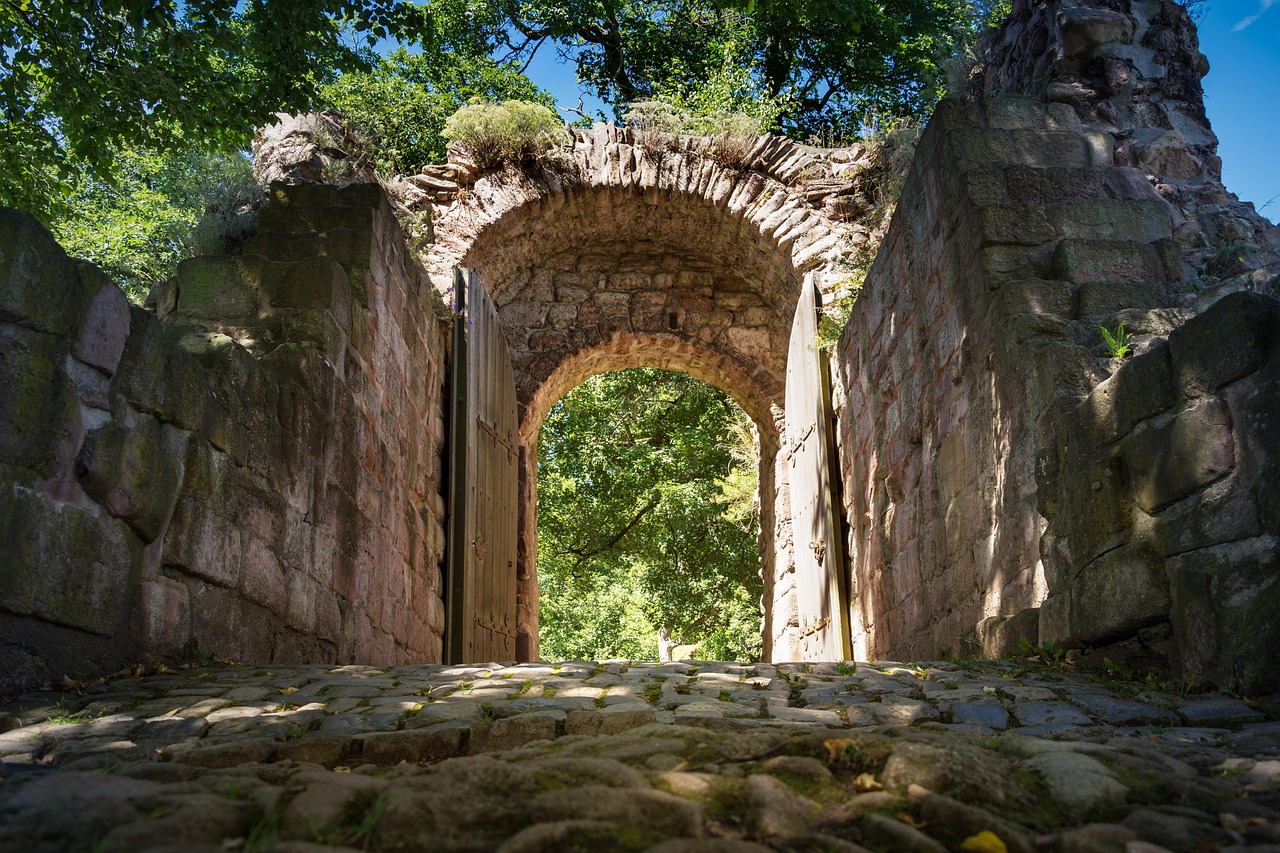
Walk the circuit of almost any large hillfort and you will notice something odd. The ramparts, however weathered, still read as a continuous statement of solidity. Then you reach the entrance, and the archaeology gets messy. Gateways at sites like Danebury in Hampshire, Hod Hill in Dorset, and Traprain Law in East Lothian show repeated episodes of burning, collapse, and reconstruction, often within a few generations. The walls held; the gates did not.
This is not a design failure so much as an engineering reality. A rampart is a mass of earth, rubble, and timber that can absorb punishment. A gate is a hole in that mass, and holes are where attackers concentrate. Iron Age builders knew this, which is why entrances received disproportionate attention: overlapping banks, outworks, staggered approaches, and in some cases double or triple gateways that forced attackers into narrow killing zones.
Anatomy of a Vulnerable Threshold
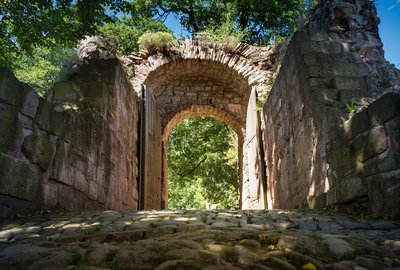
Excavations at Danebury revealed a gateway that was rebuilt at least six times over several centuries. Each rebuild left behind postholes, burnt timber, and occasionally human remains — a reminder that these were not abstract architectural features but places where people died. The gate passage itself was often paved or metalled, worn smooth by generations of feet, carts, and livestock. That wear pattern is one of the most human traces a hillfort can offer.
Some gateways were flanked by guard chambers, small rooms built into the rampart ends. Whether these housed sentries, stored goods, or served ritual functions is debated. What is clear is that the gate was a controlled interface. It decided who entered, when, and under what conditions. In that sense it functioned less like a military checkpoint and more like a membrane — selectively permeable, socially charged, and politically significant.
The vulnerability of gates also shaped siege tactics. Fire was the obvious weapon. Organic material — timber posts, thatch, wicker — burns readily, and once a gate was breached the defenders lost their greatest advantage: the ability to fight from height behind cover. This may explain why so many hillforts show evidence of burning at their entrances while the ramparts themselves remain largely intact.
What Rebuilding Tells Us
The cycle of destruction and repair is arguably more informative than any single phase. A community that repeatedly rebuilt its gate was making a choice. They could have abandoned the site, shifted the entrance, or left it open. Instead they invested labour, timber, and time in restoring the same vulnerable point. That suggests the gate mattered — not just tactically but symbolically. It was the face of the hillfort, the place where insiders and outsiders met.
Some archaeologists have argued that elaborate gateways were as much about display as defence. A visitor approaching a hillfort with a long, narrow, heavily fortified entrance passage was being made to feel something: watched, channelled, perhaps overawed. The gate was theatre as well as barrier.
Next time you visit a hillfort, spend time at the entrance rather than the ramparts. Look for the gaps, the worn surfaces, the evidence of fire. The gate is where the story gets complicated — and where the Iron Age feels most immediate.


Hillfort Herald

The most common feature inside a hillfort isn't a house or a hearth — it's a hole in the ground, and those pits held the surplus that made Iron Age society work.