





Life Inside the Walls: Daily Routine in an Iron Age Settlement
Daily Life | October 1, 2026
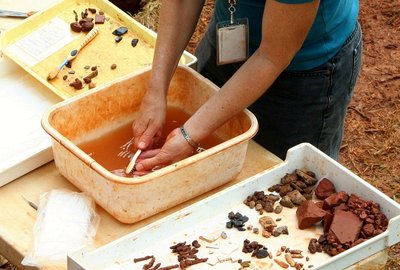
Popular imagination often places Iron Age people permanently behind their ramparts, grimly awaiting attack. The archaeological reality is more domestic and more interesting. Excavations inside hillforts regularly turn up the debris of ordinary life: broken quern stones for grinding grain, loom weights for weaving, animal bones, pottery sherds, and the post holes of roundhouses that were lived in, repaired, and eventually rebuilt.
The roundhouse is the signature building of the Iron Age. Typically between five and fifteen metres in diameter, it was built with a ring of timber posts, wattle-and-daub walls, and a conical thatched roof. In the centre lay the hearth — the heart of the home, used for cooking, warmth, and light. There was usually no chimney; smoke filtered through the thatch, which incidentally helped preserve it against rot and insects. This is not primitive design. It is a carefully tuned system that worked for centuries.
The Work of the Household
Daily life revolved around food and craft. Grain was stored in pits — often lined and capped with clay — and processed on rotary querns, which appear in enormous numbers on Iron Age sites. A broken quern was rarely thrown far; it usually ended up in a midden or packed into a floor. Bread, porridge, and beer were staples, supplemented by meat from cattle, sheep, pigs, and occasionally wild game.
Weaving was another constant task. Spindle whorls and loom weights are among the most common small finds, and the quality of surviving textile fragments shows that Iron Age cloth could be fine and carefully patterned. Clothing was not merely functional; dyes and decorative weaves suggest personal expression and perhaps status.
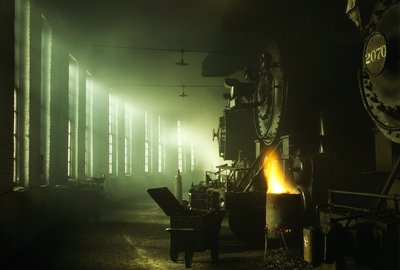
Metalworking, too, happened within settlements. Smithing hearths, slag, and fragments of moulds turn up in and around hillforts, indicating that iron tools and weapons were made locally rather than traded in finished form. A smith was a valued member of the community, and the presence of a forge may have been one reason a settlement attracted others around it.
Community, Storage, and the Rhythm of the Year
Hillfort interiors were rarely densely packed with houses. More often they held a scatter of roundhouses, storage pits, and open spaces used for pens, gatherings, or working. This layout suggests that hillforts were not simply crowded villages but central places where a wider community came together — for markets, feasts, rituals, or refuge during trouble.
The year itself shaped daily life. Spring brought ploughing and the movement of herds to summer pasture. Autumn meant harvest, slaughter, and the filling of storage pits. Winter was for indoor crafts, repair, and storytelling around the hearth. The hillfort, with its stores and its walls, anchored this cycle.
What emerges from the evidence is not a society of constant fear, but one of skill, routine, and community — people who built well, ate reasonably, made beautiful things, and organised their lives around the seasons. The ramparts framed that life; they did not define it.


Hillfort Herald

Britain's largest hillfort shows how successive generations layered defences, entrances, and meaning onto a single hilltop.