



Hillforts and the Sky: Solar Alignments and Seasonal Time
Ritual and Belief | September 7, 2026

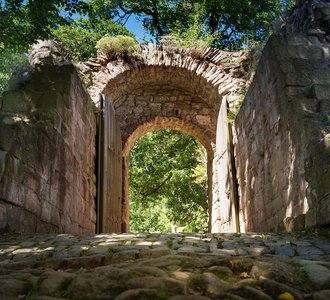
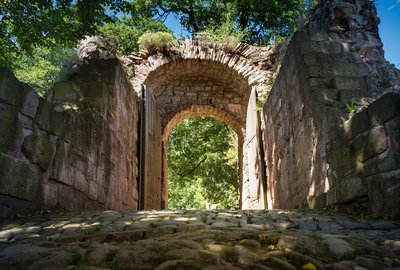
Stand at the entrance of a hillfort on the morning of the summer solstice and you may notice something. The sun rises directly in line with the gateway. This is not a coincidence at every site, but it happens often enough to be intriguing. Iron Age people watched the sky. They had to. Their crops, their animals, and their ceremonies depended on knowing where the sun would rise and set.
Hillforts are not generally considered astronomical monuments in the same way as Neolithic stone circles. But the evidence is accumulating that some hillfort entrances, ramparts, and internal features were aligned with solar events. At sites like Moel y Gaer in Wales and several hillforts in Scotland and Ireland, the orientation of entrances correlates with the rising sun at particular times of year.
Reading the Horizon
The horizon is a calendar. The sun rises at a different point each day, moving north in summer and south in winter. The extremes — the solstices — are the easiest to mark. The equinoxes, when day and night are equal, are harder but still observable. A community that wanted to track the seasons could do so by watching the sun rise over a particular hill, notch, or standing stone.
Hillfort builders may have incorporated this knowledge into their architecture. An entrance aligned with the summer solstice sunrise would be flooded with light on that specific morning. This could have been a dramatic and meaningful event, marking the height of summer, the time of maximum growth, and perhaps a moment for gathering, feasting, or ritual.
Other alignments are less certain. Some hillforts have entrances that face east or southeast, which could simply be practical — catching the morning sun, avoiding prevailing winds. But the precision of some alignments suggests intention.
It is also possible that hillforts were oriented toward other features: prominent mountains, rivers, or other hillforts. The landscape itself was a map of meaning. To build a hillfort was to place it in relation to everything else.
Time, Territory, and Community
If hillforts were aligned with the sky, they were also aligned with the land. They marked territory, but they also marked time. The two are connected. A community that knew when to plant, when to harvest, and when to gather was a community that could survive. The hillfort may have been a place where these timings were celebrated and reinforced.
We cannot know what ceremonies took place at solstice sunrises. But we can imagine the scene: people gathered at the entrance, watching the sun rise over the rampart, the light spilling into the gateway. It would have been a moment of collective identity, a reminder that they were part of something larger than themselves.
The sky was not empty to Iron Age people. It was full of signs, stories, and schedules. The hillfort was a place where earth and sky met.
-

-
Bones, Seeds, and Slag: How Archaeologists Reconstruct Hillfort Life
Aug 27, 2026Settlement Patterns

-


Hillfort Herald

Earthworks are more than walls — their shape, scale, and siting reveal how Iron Age communities thought about defence, display, and daily life.